
Fort Calhoun is shaped by Missouri River bluffs, older homes, acreage properties, and tree-lined rural roads throughout Washington County. The canopy is dominated by mature oaks, cottonwoods, and elms, many of which face disease pressure, storm damage, or age-related decline. The tree care professionals in Omaha in this network know how to evaluate bluff-side root systems, control overgrowth near rural buildings, and remove storm-damaged limbs while keeping properties safe and accessible through changing weather.
That is why so many property owners in Fort Calhoun, NE, turn to Arbor Tree Care for dependable year-round maintenance.

Prefer to Talk to An Expert?
(402) 513-2244
Why Fort Calhoun Property Owners Choose Local Experts
Working in this area takes more than basic equipment. Crews need to understand bluff-top terrain, dense hardwood stands, and limited access on rural parcels, which is why each job is matched to the equipment and methods that fit Fort Calhoun properties best. The result is service designed for steep grades, vulnerable tree species, and narrow lane access common across this part of the Omaha region.
From expert tree pruning solutions along Old Lincoln Highway near historic downtown to canopy clearance on acreage lots off County Road P-30, every project is completed with careful technique and long-term tree health in mind.
If you care about your landscape, local contractors can help keep your Fort Calhoun property healthy, orderly, and safe.
Our Tree-Service Services
in Omaha, NE, Include
Tree Care Built for the Fort Calhoun Area
Bluff-edge lots and tight access points make this service area a poor fit for one-size-fits-all tree work. Local professionals respond with customized care for rural homes, acreage properties, and residential lots that need a more thoughtful approach.
It does not matter if the property is a long-standing farmstead in northern Washington County, a newer home in town, or a riverfront acreage near the DeSoto National Wildlife Refuge.
From reliable stump removal services and tree trimming to emergency response and tree disease treatments, every service is shaped around the property and the conditions around it.
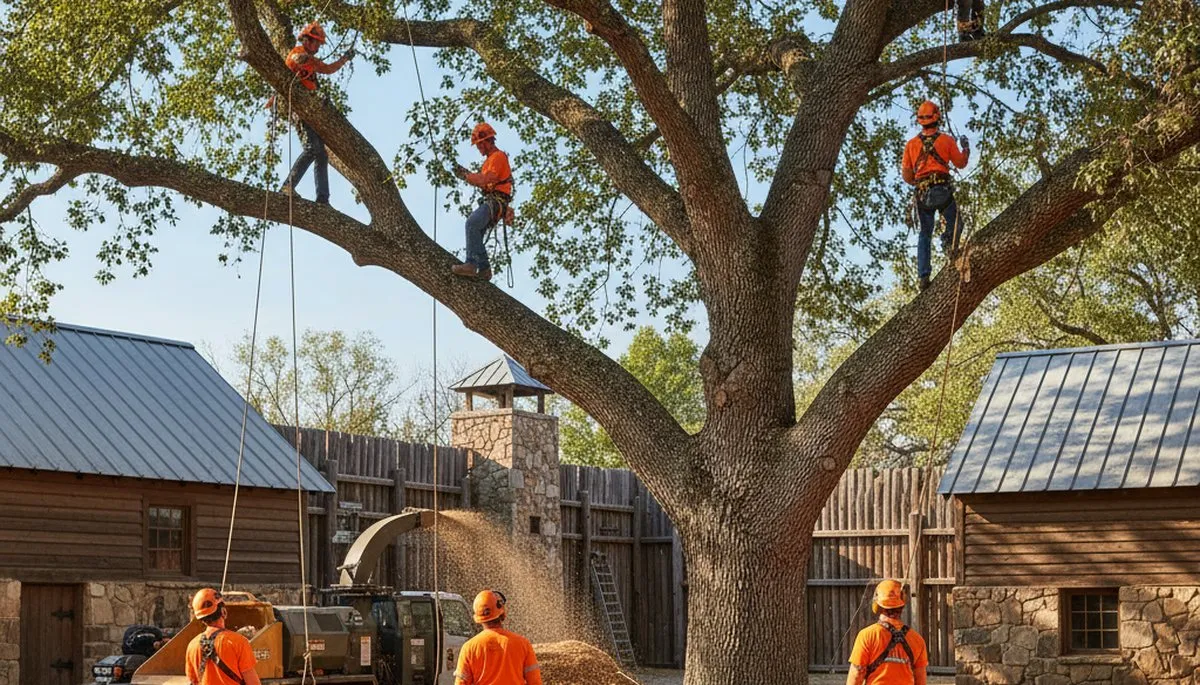
Fort Calhoun’s Tree Canopy Has Deep Local Roots
Fort Calhoun grew into one of Nebraska’s earliest settlements along the Missouri River, and the trees here reflect that long history of natural succession and agricultural change. Today, the landscape still carries the effects of older root systems, stressed hardwoods, and bluff erosion, all of which influence how tree care must be handled.
Aging Hardwood Trees with Structural Decline
Many properties in Fort Calhoun, especially in older neighborhoods near 7th Street and the Washington County Courthouse, are home to mature oaks and elms with decades of growth behind them. Over time, these trees can develop weak branch unions, uneven canopies, and other defects that become more dangerous during the strong winds common to the Missouri River valley.
Local professionals address structural decline with crown reduction, deadwood removal, and selective branch pruning to improve safety, limit access problems, and reduce the risk of storm damage on aging properties.
Cottonwood and Willow Growth Near Drainage Corridors
The area’s creeks and drainage channels add character to the landscape, but they also encourage cottonwood and willow roots to spread aggressively. When left unchecked, that growth can interfere with foundations, utilities, and nearby outbuildings on both rural and residential properties.
Professionals manage these conditions with root zone evaluation, carefully planned removals, and stump grinding after the tree comes down, all adjusted for wet soils and nearby drainage features.
Dutch Elm Disease and Oak Wilt Pressure
Years of disease spread throughout the region have left many Fort Calhoun elms and oaks struggling to stay healthy. Dutch elm disease and oak wilt have both been documented in Washington County, and once infection takes hold, it can move quickly through connected root systems in closely planted areas.
Trusted crews protect neighboring trees through targeted professional tree disease treatment, regular monitoring, and the removal of infected trees when needed to reduce spread across the property.
Missouri River Valley Storm Exposure
Storm systems that move through the Missouri River corridor can bring sudden wind damage, broken limbs, and uprooted trees across both rural and residential properties.
Experienced crews respond with aerial lift equipment, sectional felling methods, and organized debris cleanup so properties can be made safe and accessible after severe weather.
Narrow Rural Roads and Limited Equipment Access
Steep bluff grades and narrow rural roads are common in Fort Calhoun, which makes staging large equipment and handling canopy work more complicated than in flatter neighborhoods.
Local professionals rely on compact aerial equipment and hand-climbing techniques when needed, with a focus on protecting the property and removing debris efficiently even when access is limited.

Kick off your tree service project today!

Tree Services in Fort Calhoun, NE: Seasonal Care That Fits the Property
From regular pruning to emergency storm cleanup, here is how local professionals help keep Fort Calhoun properties safe, healthy, and structurally sound through the year:
Routine Tree Trimming and Pruning in Fort Calhoun, NE
- Crown Thinning for Mature Oaks and Elms: Mature hardwoods near the Fort Calhoun town square often grow dense interior canopies that limit airflow and hold moisture longer than they should. Crown thinning opens the canopy, improves balance, and helps reduce disease pressure on older trees.
- Clearance Trimming Near Rural Outbuildings: Acreage properties north of Highway 75 often have branches extending over barns, sheds, and fencing. Selective trimming preserves safe clearance and lowers the chance of branch contact during windy conditions.
- Utility Line Clearance Along County Roads: Trees near overhead lines on rural roads need directional pruning that keeps growth away from infrastructure while maintaining the tree’s overall health and appearance.
- Seasonal Pruning for Storm Resilience: Late winter pruning gives crews a chance to remove weak attachments before spring storm season arrives, helping reduce the chance of limb failure during strong wind events in the Missouri River valley.
- Shrub and Understory Management: Dense shrubs and understory growth along fence lines and drainage areas often benefit from structured shrub removal services that improve visibility, reduce tick habitat, and make maintenance easier.
Schedule pruning before spring storms arrive to help keep Fort Calhoun trees structured and access routes open all year.
Tree Removal Services in Fort Calhoun, NE
- Hazardous Tree Removal on Bluff-Side Lots: Trees on steep bluff slopes near the Missouri River corridor create serious fall-zone concerns. Professionals use sectional felling and rigging systems to remove dangerous trees without harming the slope or nearby structures.
- Dead Tree Removal from Acreage Properties: Dead standing trees on rural Washington County land can attract insects and increase fire concerns during dry summer weather. Prompt removal helps reduce both risks.
- Storm-Damaged Tree Removal: Strong spring and summer storms in the Fort Calhoun area often leave behind split trunks, uprooted trees, and damaged canopies that need full removal before the property can be safely used again.
- Disease-Killed Elm and Oak Removal: Trees confirmed with Dutch elm disease or oak wilt should be removed quickly to help prevent spread through root connections to nearby healthy trees.
- Cottonwood Removal Near Structures: Mature cottonwoods close to foundations or outbuildings can create root intrusion and structural concerns, making removal the most practical long-term choice for protecting the property.
Removing hazardous or diseased trees before winter helps protect Fort Calhoun structures and lowers the chance of storm-related damage during the busiest severe-weather period.
Stump Grinding and Cleanup in Fort Calhoun, NE
- Stump Grinding on Sloped Terrain: Bluff-side and hillside stumps require low-profile grinding equipment that can work safely on Fort Calhoun’s grades without disturbing nearby soil stability.
- Agricultural Field Stump Removal: Acreage and farmstead properties that are being cleared for open use benefit from full stump grinding that leaves the ground ready for mowing, fencing, or replanting.
- Post-Removal Root Zone Cleanup: Once grinding is complete, debris and chips are cleared away and the area is graded to improve drainage and restore usable ground.
- Multiple Stump Projects on Large Lots: Rural properties with several leftover stumps often benefit from grouped grinding visits that take care of everything in one scheduled service.
- Stump Removal Near Fencing and Utilities: Stumps close to fence lines, buried utilities, or irrigation systems need careful depth control to avoid damaging underground infrastructure during removal.
Prompt stump clearing after tree removal helps prevent pest issues, reduces trip hazards, and frees up space for replanting or lawn repair across Fort Calhoun properties of all sizes.
Emergency Tree Services in Fort Calhoun, NE
- Storm Response for Fallen Trees Across Driveways and Roads: Severe weather in the Missouri River corridor can leave large trees blocking driveways and rural access roads. Emergency crews remove the blockage quickly so access is restored and secondary hazards are avoided.
- Emergency Limb Removal from Structures: When storm-damaged limbs land on roofs, vehicles, or sheds, rapid-response teams evaluate the contact points and remove the limbs carefully to avoid adding to the damage.
- Uprooted Tree Stabilization and Removal: Strong winds can partially uproot large trees and leave them leaning against power lines or structures. Emergency crews inspect the root plate, lean angle, and fall zone before carrying out a controlled removal.
- Post-Storm Canopy Assessment: After major storms, a full canopy review can reveal hanging limbs, split unions, and weakened leaders that may not be obvious right away but can still fail later.
- 24-Hour Response for Active Hazard Situations: When a tree or large limb poses an immediate threat to people, buildings, or access routes near Fort Calhoun, emergency service is available around the clock to address the hazard before it worsens.
Tapping into the broader Fort Calhoun service network helps crews arrive faster and bring the specialized equipment needed for complex storm cleanup. Neighbors in tree trimming services in Waterloo, NE and those seeking tree removal contractors in Kennard, NE rely on the same regional network that supports Fort Calhoun properties throughout the year.